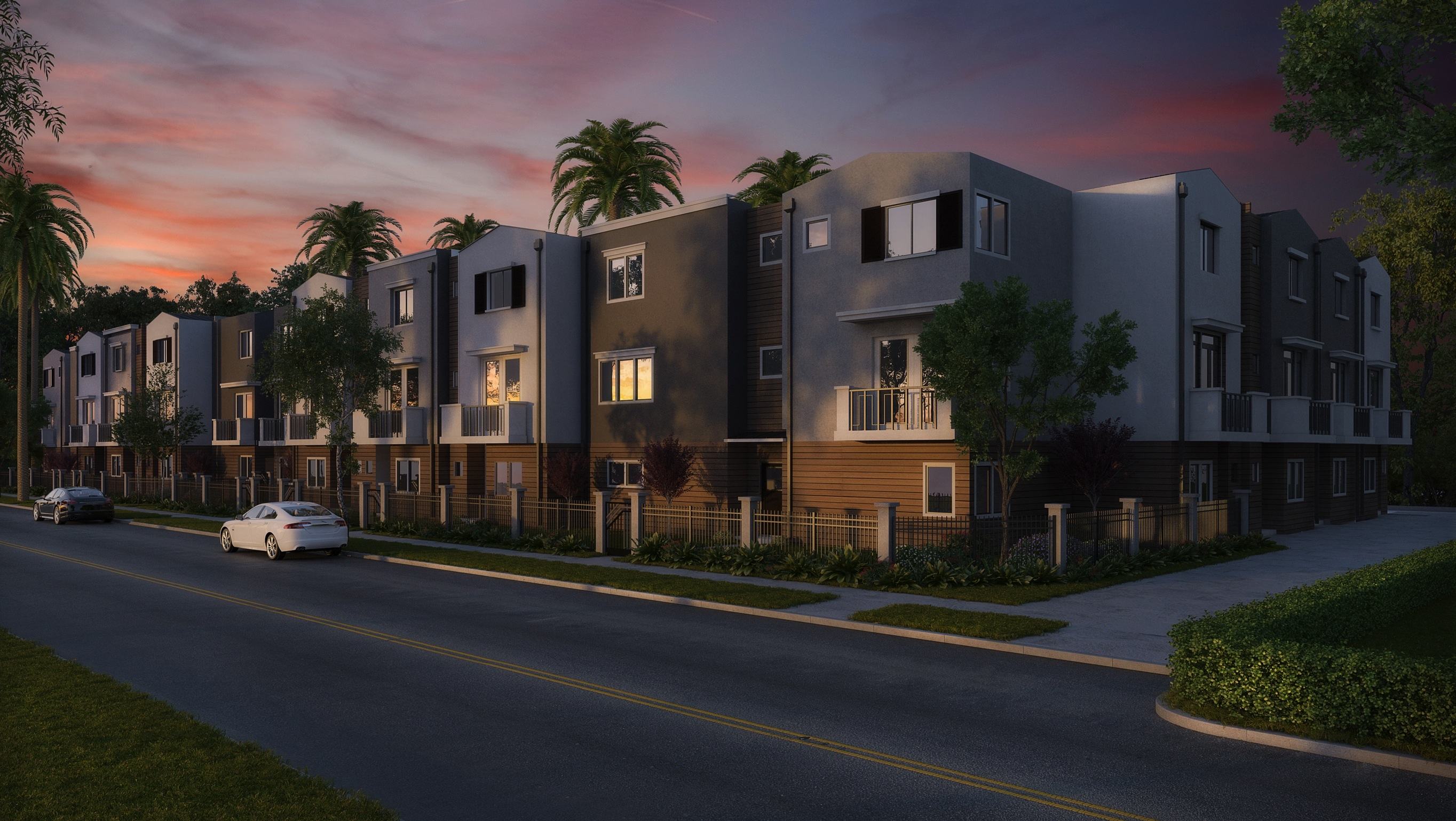
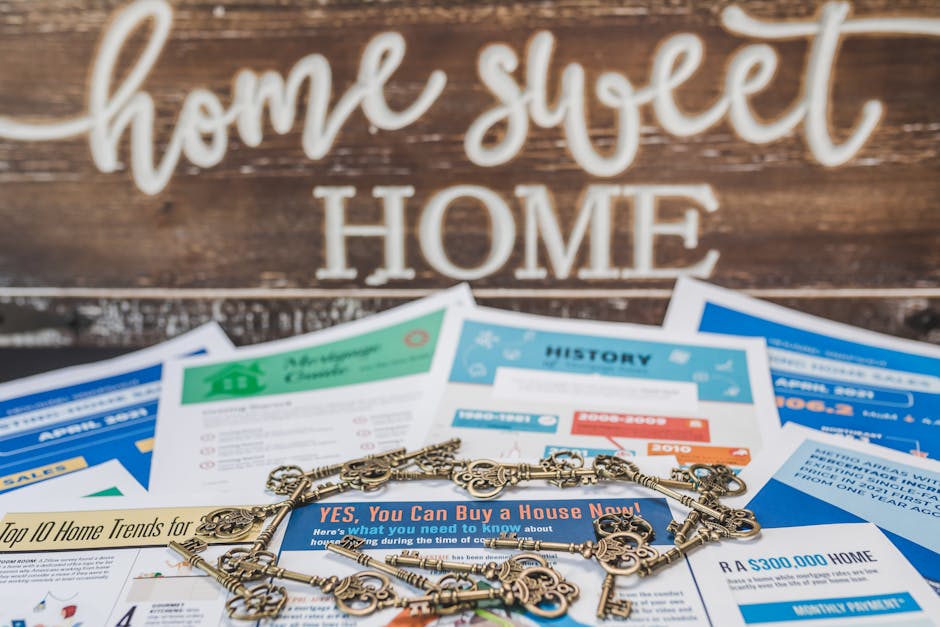
Urban real estate is undergoing significant transformation as cities adapt to changing societal needs and technological advancements. Understanding the main trends in urban properties can provide invaluable insights for investors, developers, and residents alike.
Embracing Smart Technology
The integration of smart technology is revolutionizing urban living. From energy-efficient buildings to advanced security systems, cities are becoming smarter, and real estate is at the forefront of this evolution.
Rise of Mixed-Use Developments
Mixed-use developments, combining residential, commercial, and recreational spaces, are increasingly popular. These projects offer convenience and vibrancy, meeting the demand for urban walkability and reducing the reliance on vehicles.
Sustainability and Green Building
Sustainable construction practices and green buildings are not just trends but essential components of urban planning. Developers are prioritizing eco-friendly materials and designs to create healthier living environments.
Flexible Workspaces
The shift towards hybrid working models has increased demand for flexible office spaces. As remote work becomes more prevalent, urban real estate is adapting by offering co-working spaces and business hubs that accommodate diverse working styles.
Urban Resilience and Adaptability
Cities are focusing on resilience by investing in infrastructure that can withstand climate change and other disruptions. Real estate planning now considers flood zones, heat islands, and other environmental challenges to ensure long-term urban viability.
In conclusion, the urban real estate landscape is dynamic, continuously evolving to meet the needs of modern society. By staying informed about these trends, stakeholders can make strategic decisions for sustainable growth and success.

Leave a Reply